
Safety Culture That Goes Beyond Posters
A safe workplace is not a slogan—it is a system built from everyday decisions, repeated habits, and clear expectations. When people hear “safety,” they often picture rules, signs, and compliance checks. Those things matter, but they are only the surface. Real safety starts when leaders treat risk as something to manage proactively, not something to explain after an incident. That means planning work with hazards in mind, setting realistic timelines, and refusing to reward shortcuts. If speed is praised more than precision, someone will eventually pay the price.
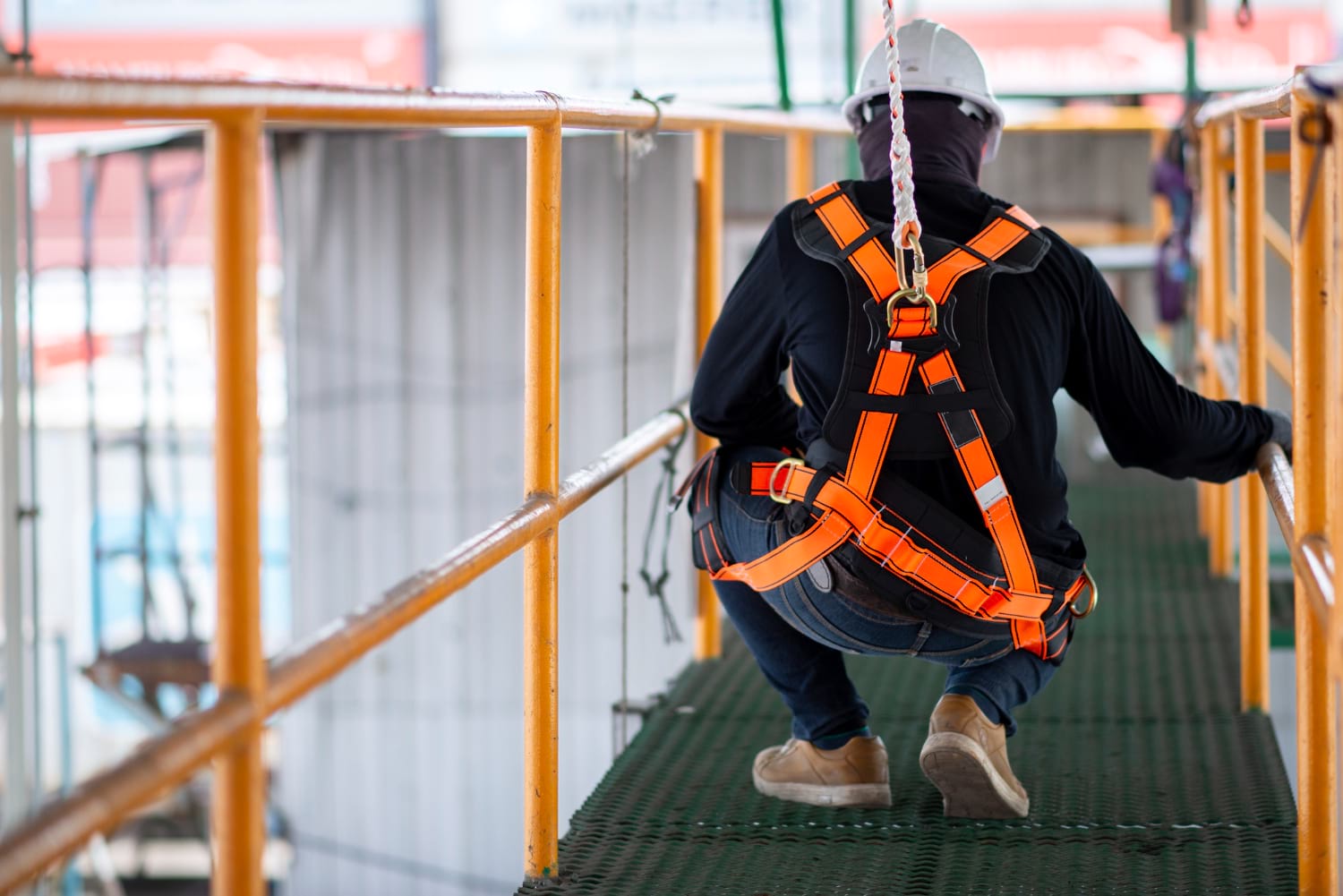
Training is another area where good intentions can fail. A short presentation during onboarding will not prepare anyone for complex, changing conditions. Effective training is continuous and practical. It uses real scenarios, encourages questions, and checks understanding rather than assuming it. When workers feel safe admitting uncertainty, they are more likely to speak up before a mistake becomes an injury. Clear reporting channels help too—especially when reporting near-misses is treated as a contribution, not as “complaining.” Near-misses are free lessons; ignoring them is expensive.
Even the best policy cannot replace good communication on the floor. Daily briefings, hazard walk-throughs, and quick check-ins before high-risk tasks can prevent confusion and align the team. The goal is simple: everyone should know what the job is, what could go wrong, and what to do if something changes. When these conversations become routine, safety stops feeling like an interruption and starts feeling like part of professional pride.
Smart Controls, Right Equipment, and Consistent Follow-Through
Reducing risk works best when you combine smart planning with physical controls. Engineering solutions—like guardrails, barriers, ventilation, and machine guarding—remove hazards at the source and do not depend on perfect human behavior. Administrative controls then add structure: permits for hazardous work, lockout/tagout procedures, clear signage, defined access zones, and scheduling that avoids fatigue. Fatigue is a silent multiplier of risk, so breaks, shift design, and staffing levels are not “nice to have.” They are prevention tools.
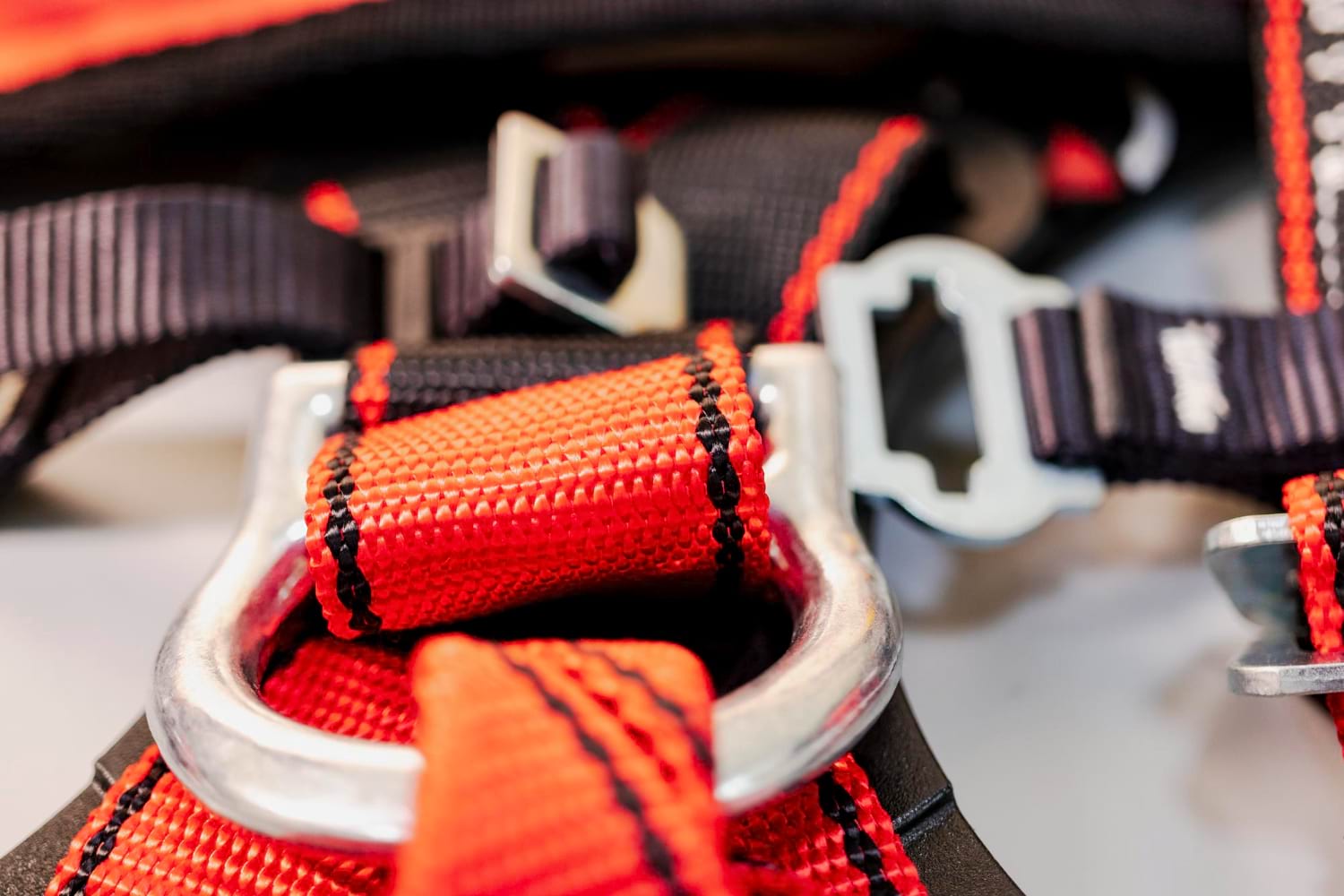
Personal protective equipment is the final layer, but it is still critical—especially when hazards cannot be fully eliminated. The right gear must match the task, fit the worker, and be maintained properly. Selection should be based on risk assessment, not habit or convenience. Workers also need to understand the “why” behind requirements, because people protect what they understand. In elevated work, the choice and inspection routine for harnesses and lanyards can be the difference between a scare and a tragedy, and teams should standardize how checks are done. A solid program includes documentation, refresher training, and a clear process for removing damaged items from service. Many sites treat fall protection equipment as a checkbox, but the strongest teams treat it as a life-critical system with zero tolerance for improvisation.
Follow-through is what makes all of this reliable. Audits should focus on learning, not punishment. Corrective actions should be tracked until they are closed, and improvements should be shared so the whole organization benefits. When people see that hazards are addressed quickly and consistently, they trust the process—and they participate. Over time, safety becomes less about reminders and more about identity: this is how we work, because we expect everyone to go home healthy, every single day.
